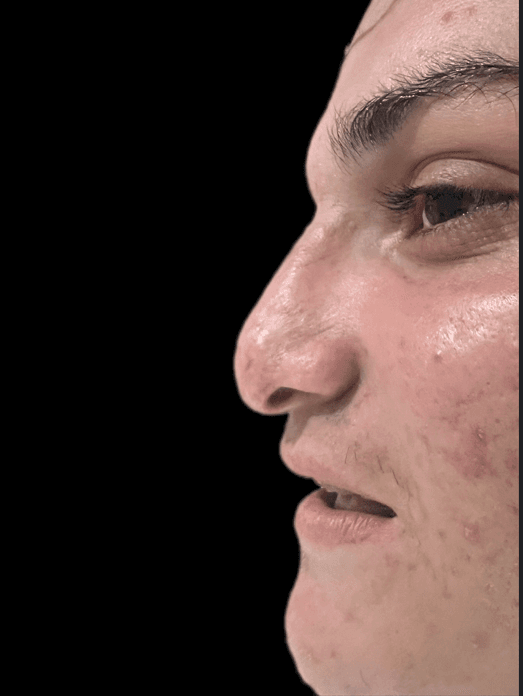
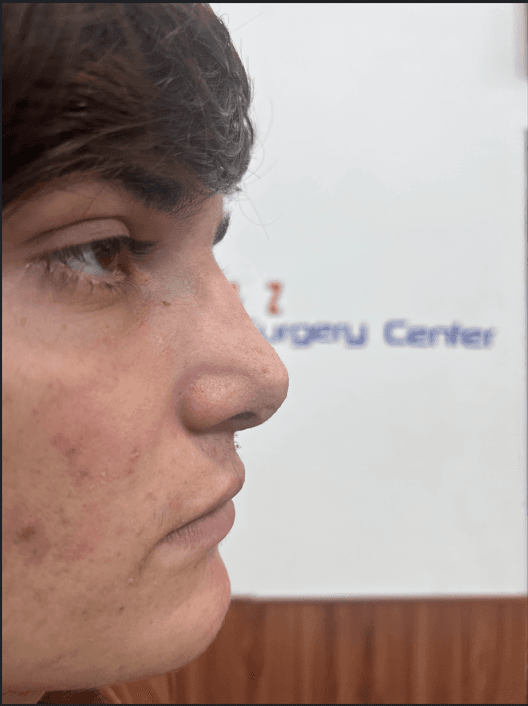
Bridge Irregularity
Residual dorsal hump refined. Result shows improved profile smoothness.
Patients who come to me seeking revision rhinoplasty have usually carried their concerns for some time. I take every revision consultation seriously — it begins with listening, not with planning.
— Dr. Karamat Ullah Miami
Revision Assessment
Understanding before correcting.
Complex Cases Welcome
Every revision case evaluated
individually and honestly.
Revision rhinoplasty is one of the most technically demanding procedures I perform, and it requires a very different kind of thinking than a primary rhinoplasty. I have spent years understanding why noses look the way they do after surgery — how healing can surprise us, how scar tissue behaves, and how carefully chosen techniques can still produce outcomes that aren't quite right.
When a patient comes to me with a previous rhinoplasty they are unhappy with, my first job is not to correct — it is to understand. That means understanding what was done, how the nose healed, what the patient hoped for, and whether what they hope to achieve through revision is genuinely possible given the anatomy in front of me. Honesty at this stage is the most important thing I can offer.
Dr. Karamat Ullah Miami
Plastic Surgeon · Miami Plastic Surgery & Hair Transplant Center
A second rhinoplasty is not simply a repeat of the first. Scar tissue has formed. Internal structures may be weakened, displaced, or fused. What was possible in the original procedure may not be straightforward the second time around.
If cartilage was removed or significantly reshaped during the first surgery, there may be less to work with. In some revision cases, cartilage grafting from the ear or rib becomes necessary to restore support and shape.
Scar tissue affects how skin drapes and how the nose responds after revision. Results take longer to emerge and swelling can persist for an extended period. Patience is not optional — it is part of the process.
I generally advise patients to wait at least twelve months after their original procedure before considering revision. Assessing a nose before it has fully settled often leads to premature conclusions and unnecessary risk.
Revision can improve a nose. It cannot always transform it completely. I am honest with every patient about what is realistically achievable — and what isn't. That conversation is not a formality; it is the foundation of responsible care.
No two revision cases are the same. But over the years, certain patterns appear consistently. Understanding the concern is always my first step — before any discussion of what can be done about it.
A dorsal hump that remained or reappeared after healing. In some cases, this reflects incomplete reduction; in others, it represents bone regrowth or scar formation.
Tip changes are among the most common reasons patients return. The tip may be overprojected, under-defined, drooping, or uneven — issues that are not always visible until swelling fully resolves.
Some patients notice breathing changes following rhinoplasty. Internal structural alterations — including changes to the septum or internal valves — can affect airflow in ways that warrant careful evaluation.
Thinning skin may reveal underlying cartilage irregularities. In some cases, internal structures have shifted in ways that create visible surface irregularities after full healing.
Swelling masks differences for months. Some asymmetries only become fully apparent once the nose has completely settled — sometimes a year or more after the original procedure.
Sometimes the issue is not a specific problem but an overall sense that the nose doesn't look right in relation to the rest of the face. Proportion and balance are subtle, and when they're off, patients feel it.
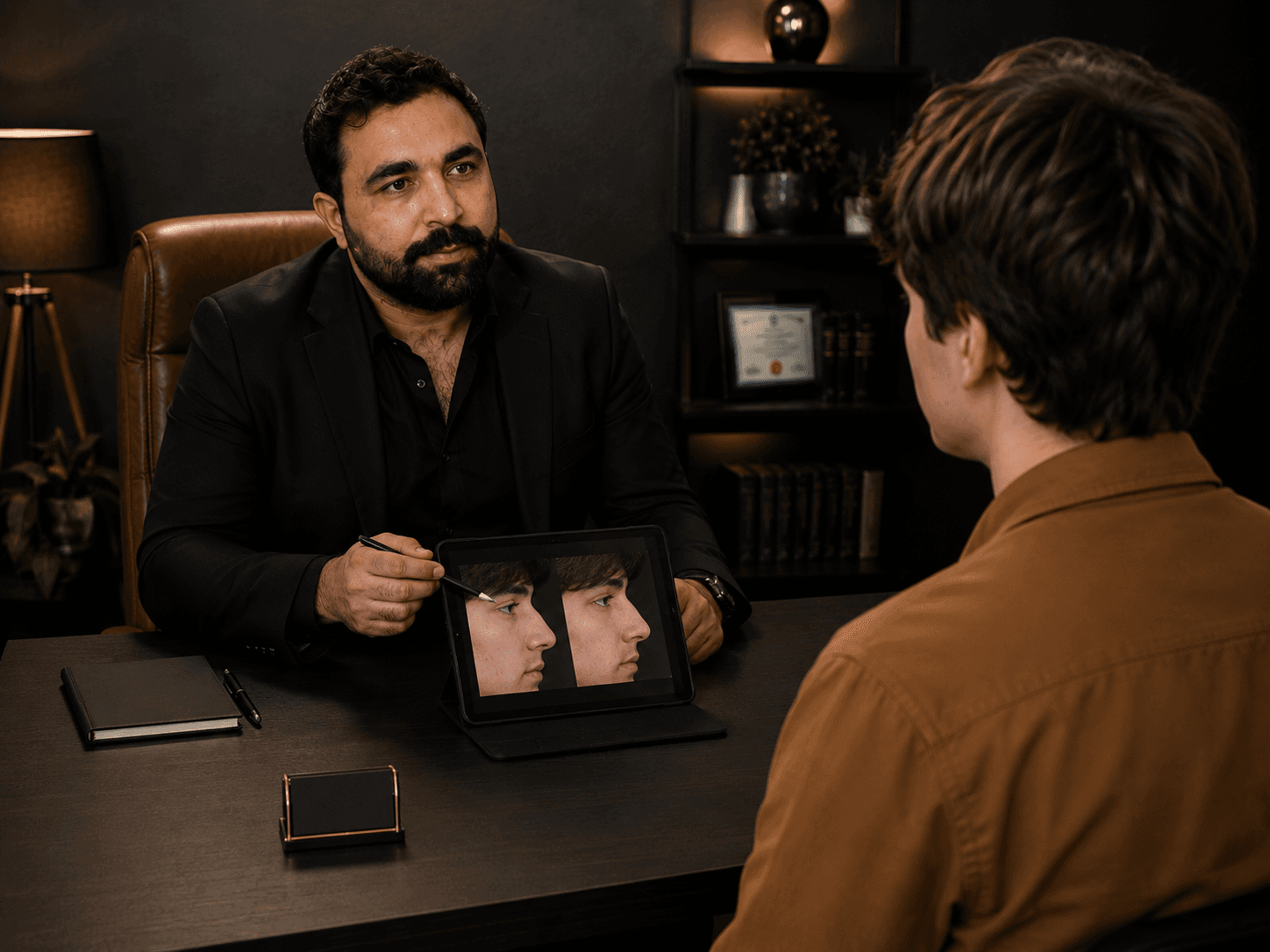
When I first meet a revision patient, I spend more time in consultation than I do with any other type of procedure. We discuss not just what they see now, but what they remember — what was promised before, what they expected, and how healing unfolded over time.
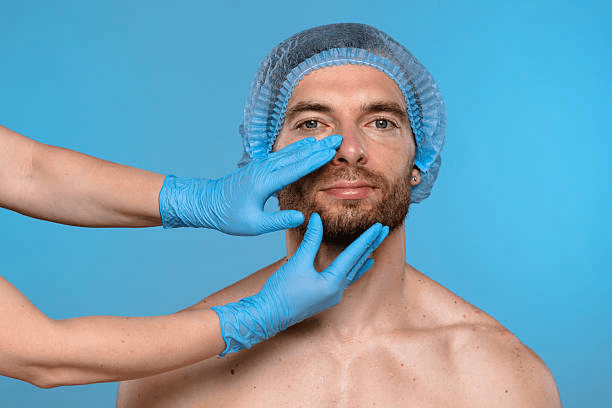
I then examine the nose carefully: from the front, the profile, the base, and the interior. I assess skin thickness and how elastic it remains. I evaluate the residual cartilage structure — how much remains, where it sits, and whether it is providing adequate support. I look at the septum. I consider the internal valves. I examine where scar tissue has formed and what effect it is having.
Timing is important. I prefer to wait until a nose has had at least twelve months to fully settle before performing revision. Assessing a nose too early means assessing an incomplete result. Swelling at six months can look very different from swelling at eighteen months — and what appears to be a significant problem can sometimes resolve on its own with time.
After all of this, I give the patient my honest assessment. Not what they want to hear — what I actually believe is achievable, what carries meaningful risk, and what is not possible given the anatomy in front of me.
What I Evaluate
Every item above influences my recommendation — and sometimes the most important finding is the need to wait.

The technique I choose depends entirely on what the anatomy presents and what the patient genuinely hopes to improve. Sometimes small refinements to the tip or bridge are sufficient. In other cases, the structural support has been compromised and rebuilding it requires cartilage grafting.
When the original procedure removed too much cartilage, or when the remaining framework is inadequate, I may harvest cartilage from the ear or rib. This adds complexity and recovery time, but is sometimes the only responsible way to achieve a stable, improved result.
Not every revision goal is achievable. Skin that has thinned, cartilage that has been significantly reduced, or scar tissue that has become dense — these all place limits on what surgery can produce. I will tell you clearly if I believe your expectations exceed what is realistically possible.
Revision rhinoplasty can often produce real, meaningful improvement. It does not guarantee a perfect nose, and I would not be doing my job if I suggested otherwise. My aim is always a result that the patient can live comfortably with — one that looks natural and functions well.
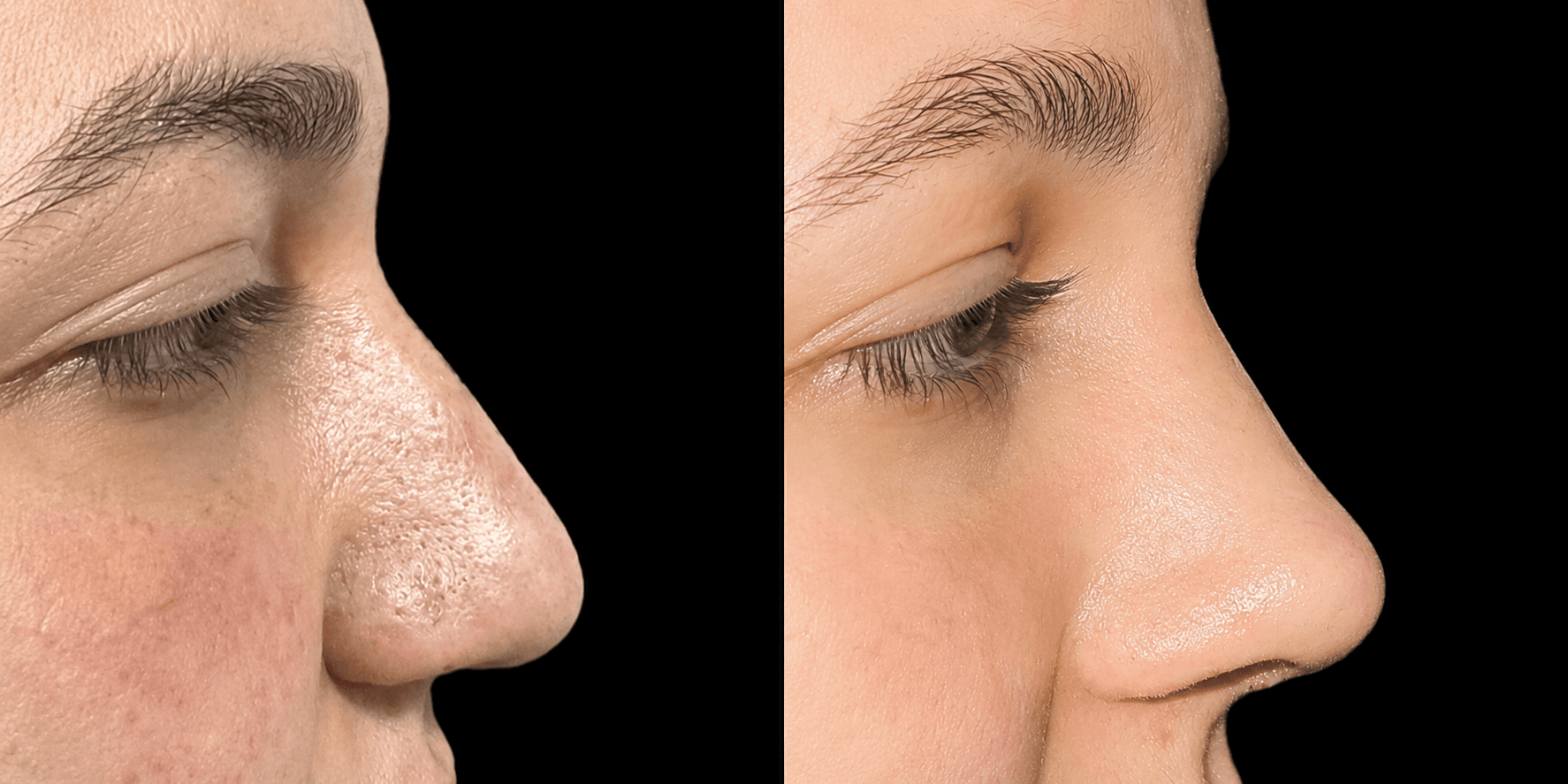
These are illustrative examples. Results vary significantly depending on anatomy, previous surgery, healing, and the specific concerns addressed.
Residual dorsal hump refined. Result shows improved profile smoothness.
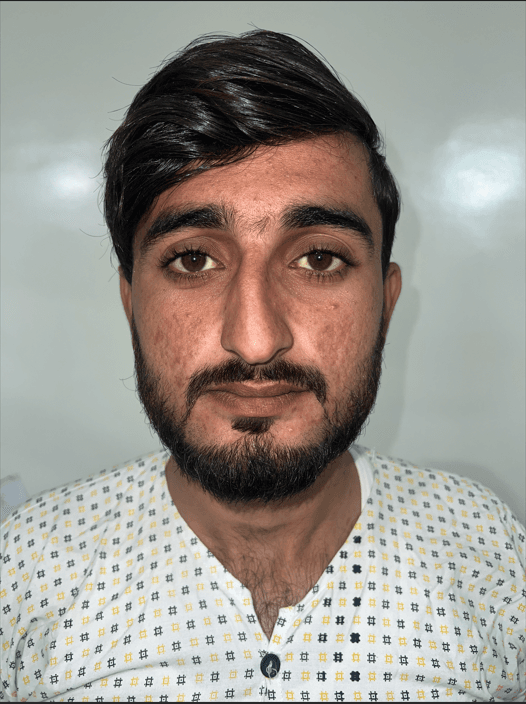
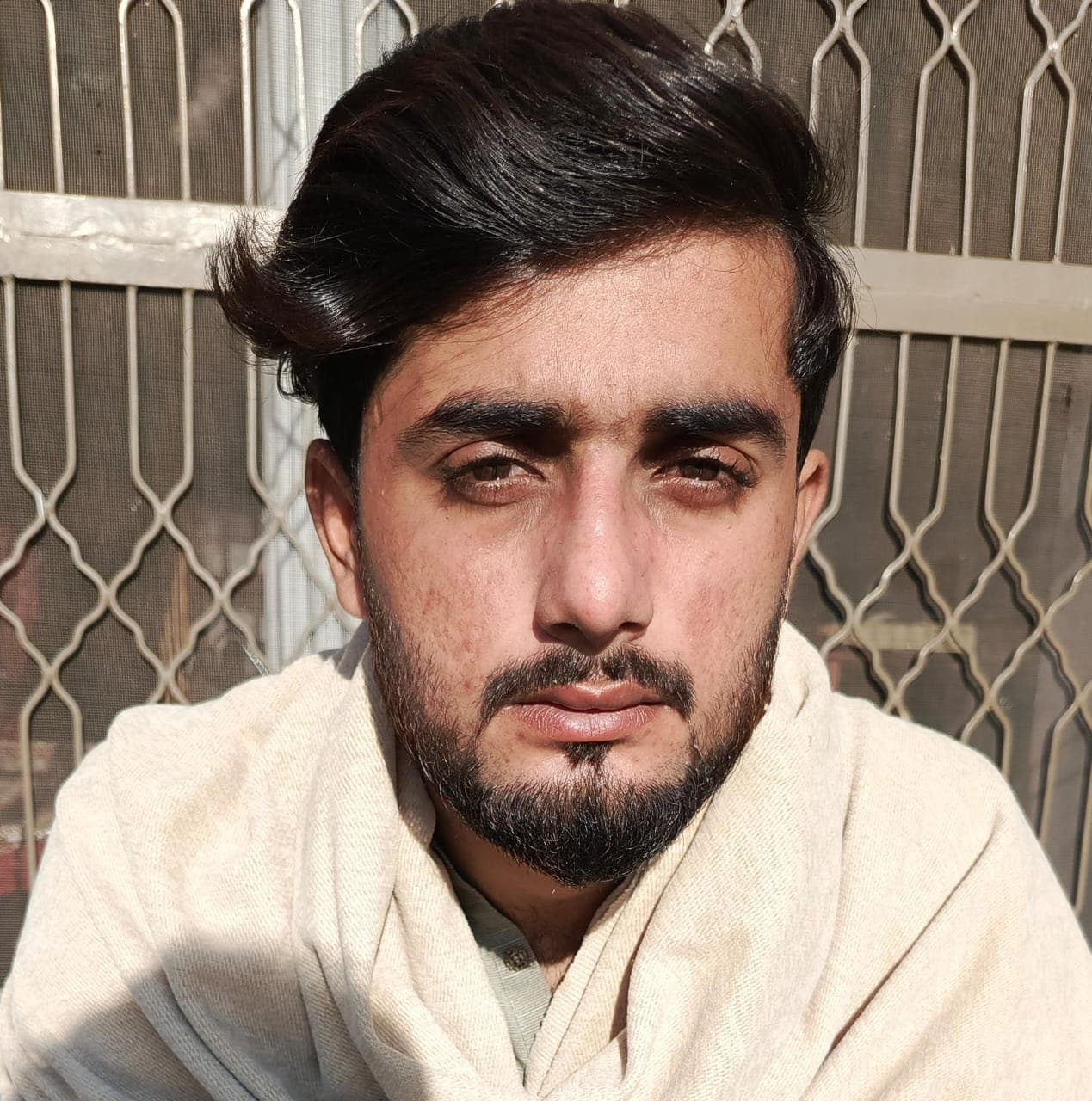
Tip position and definition improved. Symmetric result across front view.
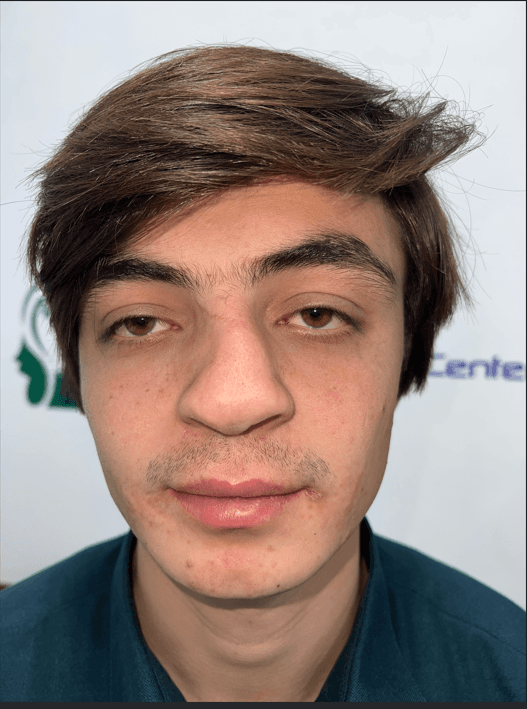
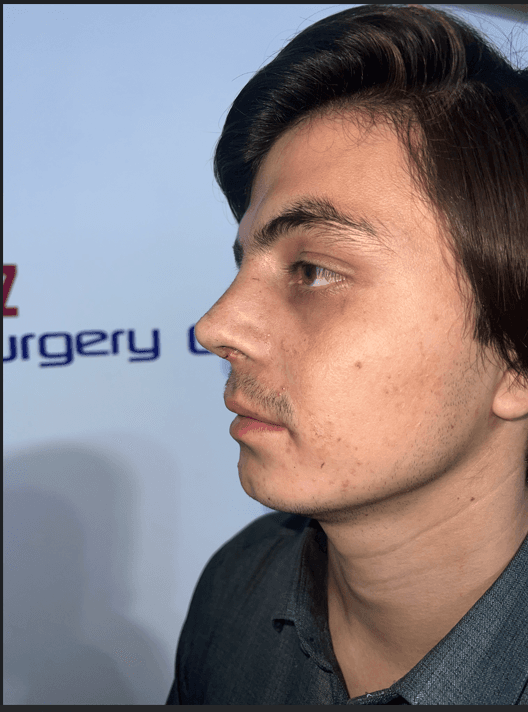
Revised proportion relative to chin and midface. Better overall facial balance.
Scar tissue from the previous procedure affects how the skin heals and how swelling resolves. The timeline below is a guide — your specific instructions will be personalised to your case.
Swelling and bruising are expected. A splint or dressing is typically in place. Rest is essential. Patients should not evaluate or judge the result during this phase — it tells you very little about the final outcome.
Bruising usually resolves. The nose begins to look more presentable. Swelling is still significant internally, however. The shape you see at this point is not the final shape. Do not draw conclusions this early.
Progressive improvement in appearance. The nose starts to feel more settled. In revision cases, the process tends to take longer than after a primary rhinoplasty due to existing scar tissue.
Meaningful refinement continues. Many patients see their most significant improvement in this window. Patience at this stage is particularly important — the nose is still changing.
Final results can take longer to emerge in revision cases than in primary rhinoplasty. Some patients do not see their complete result until 18 months or beyond. I follow each patient through this full period.
A note on judging results: One of the most common mistakes after revision rhinoplasty is evaluating the result too early. I encourage every patient to wait — and to bring their concerns to me at follow-up rather than drawing conclusions based on a healing nose.
These are the questions I hear most often from patients considering revision. I have answered them as honestly as I would in the consultation room.
Have a specific concern not covered here? Message me directly on WhatsApp.
If you are living with a result you are unhappy with, I encourage you to come and speak with me. I will assess your case honestly, discuss what is realistically possible, and give you a clear picture of your options — without pressure.
— Dr. Karamat Ullah Miami, Miami Plastic Surgery & Hair Transplant Center, Peshawar
Consultation includes